First town in Barbados and the centre of the Platinum Coast
After the capital, Bridgetown, the settlements of Barbados are small and scattered throughout the island, with Holetown being one of the more prominent right in the centre of the Platinum Coast. With a population of only around 1,600, it hasn’t grown much since first being settled in 1625 by the English. It is named after a small stream found at the point of a suitable landing area.
Our lodgings for the week at the Colony Club was a short distance north of Holetown, walkable but in the stifling humidity it was preferable to travel by Reggae bus. As we hadn’t booked an all-inclusive, it was a very important destination for us to stock up on snacks and drinks at the supermarket, which also proved to us that it wasn’t just the hotel prices which were high. We had dinner one night at one of the town’s well known but casual establishments, “Just Grillin’”, which was pretty tasty if overpriced for food served on paper plates.

St James Parish Church is the oldest in the country, dating from 1628 although the current building is mostly from 1874. Its style is very much like churches to be found around the UK.
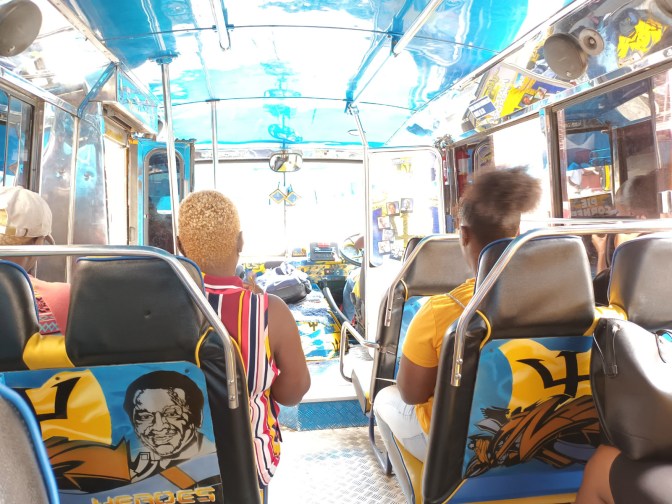
Onboard one of the famous Reggae buses, a flat fare to anywhere on the island and accompanying blasting reggae music with thumping bass. Reggae buses are also one of the fastest ways to get around, barely stopping to let you on or off and zooming to their destination at top speed. This one features National Heroes as interior décor.
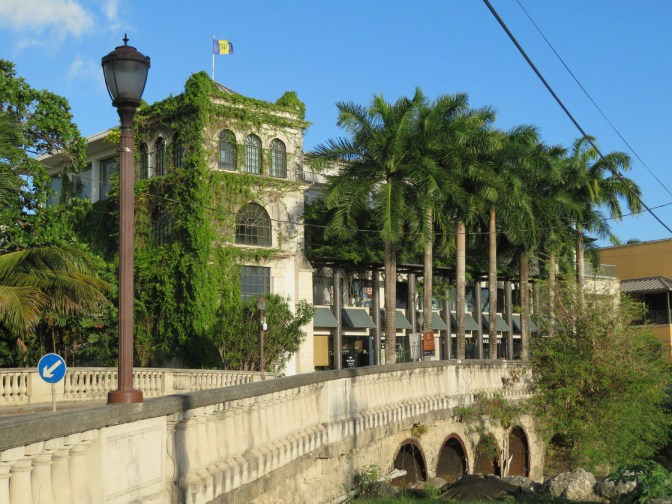
The bridge over the River Hole for which Holetown is named, it also goes by the name Indian River.
For such an unpromising name, Holetown certainly has its fair share of upscale shopping outlets.
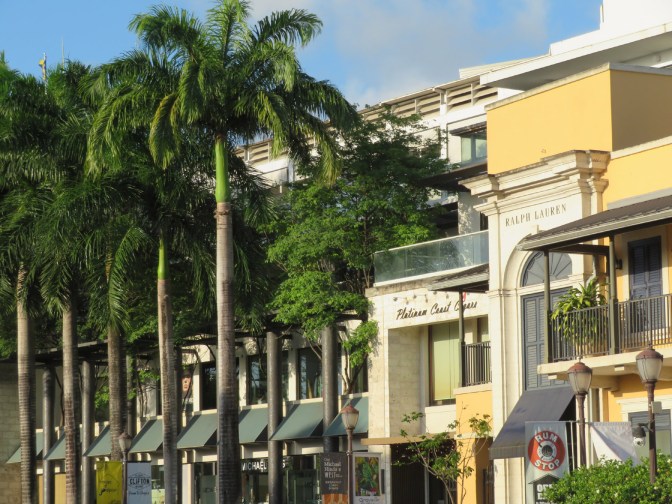
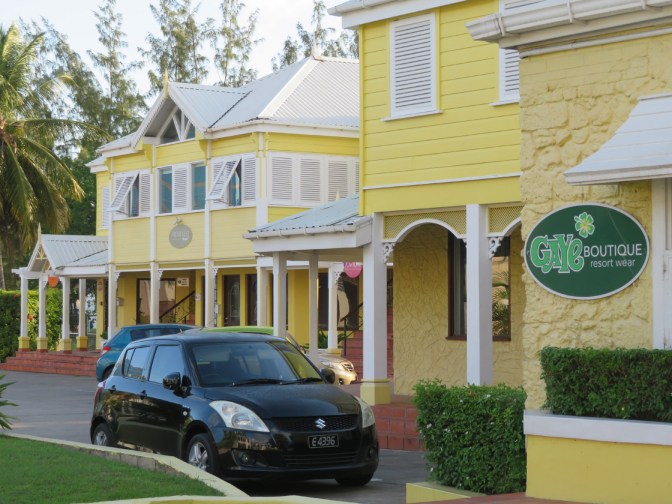
The gaily-painted Gaye Boutique sets the laid-back tone of Holetown.
Holetown Methodist Church, more or less in the centre of town at First Street and Highway One.


Another pastel-painted establishment in the form of the Royal Bank of Canada.
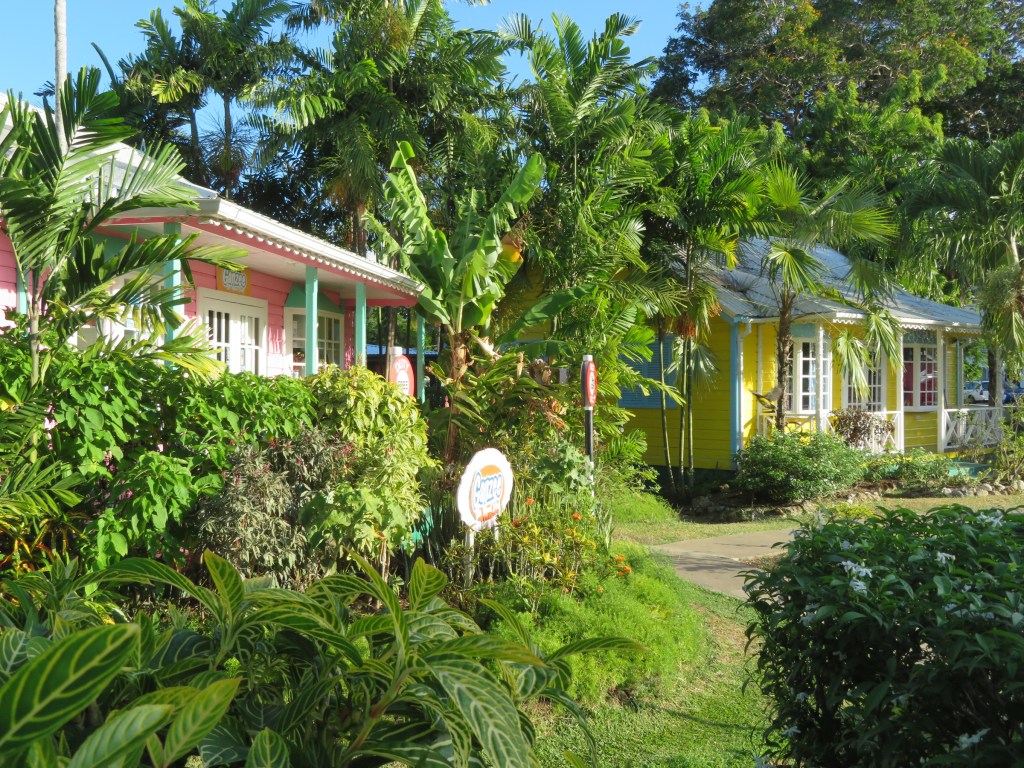
Holetown hosts a selection of chattel shops in its Chattel Village, with each outlet based in a chattel house, if very much spruced-up.
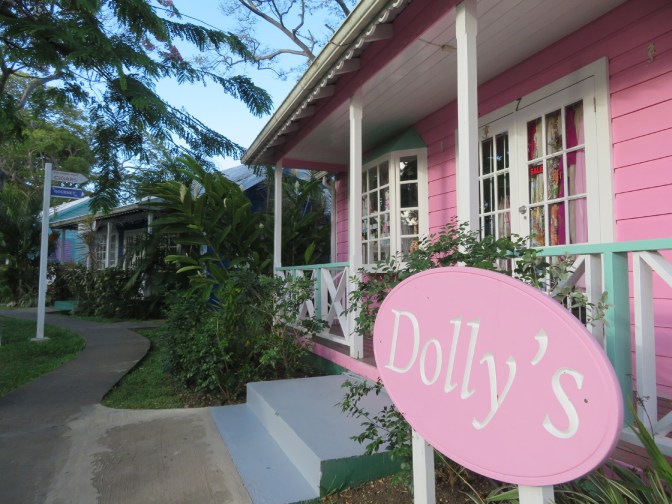

Another picturesque chattel house – but historically these houses were occupied by people who didn’t own the land underneath, and would occasionally be moved on by the landowners. Chattels refers to items which are easily moved, hence chattel houses.
Chattel houses usually consist of two rooms, sitting on blocks for ease of relocation. We saw many others throughout the island which are lived in, although few in such good condition as this.


A British red telephone box, repainted in the Bajan national colours, and I think without the glass panes for improved ventilation.
Holetown Beach is another pretty stopping point, with free access and use by anybody, in line with all the rest of the nation’s beaches.
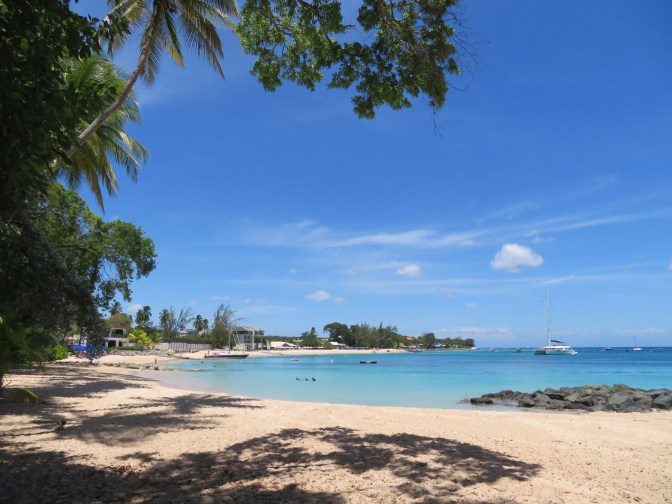

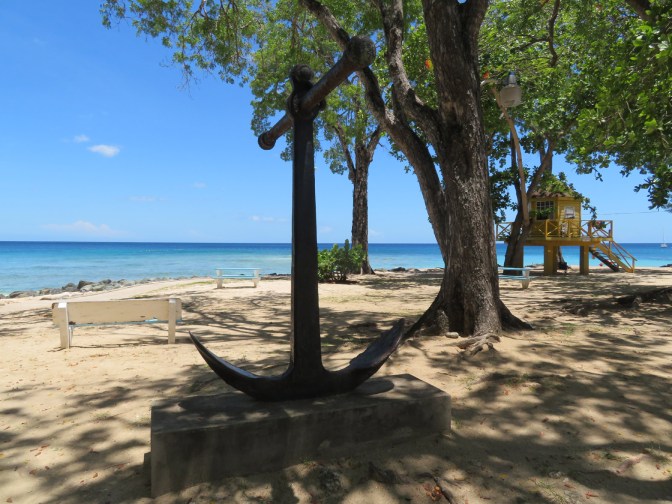
A monumental anchor stands at Folkstone Marine Park, immediately north of Holetown Beach.
Created 2025
 SnapHappyRoss
Leave a comment