Hội An

Historic and quaint town in central Vietnam, famous for its centuries-old Japanese bridge
What is now Hoi An has been inhabited for over two thousand years and has been a trading port for almost as long. Variously passed between the Chams, French and Vietnamese, it also hosted a sizeable Japanese population in the 1600s, who were subsequently displaced by Chinese traders. Its prominence as a port declined in the 19th century as the harbour silted up, but today it has been revived into a popular stop on the tourist trail, famous for its history, pleasant old town and propensity for the manufacture of sharp suits at short notice. The city lies in central Vietnam, just south of Da Nang, Hue and the former DMZ. The old town became a World Heritage Site in 1999.
I visited Hoi An in 2005 as part of a trip including nearby Hue, and stayed for two nights at the then-brand-new Palm Garden Resort on the coast. Being July it was the rainy season, so there wasn’t much sun but there was still plenty of heat and humidity. I found it to be a very pleasant and relaxed place, and a welcome change of pace from the frenzy of Ho Chi Minh City from where we’d flown up.
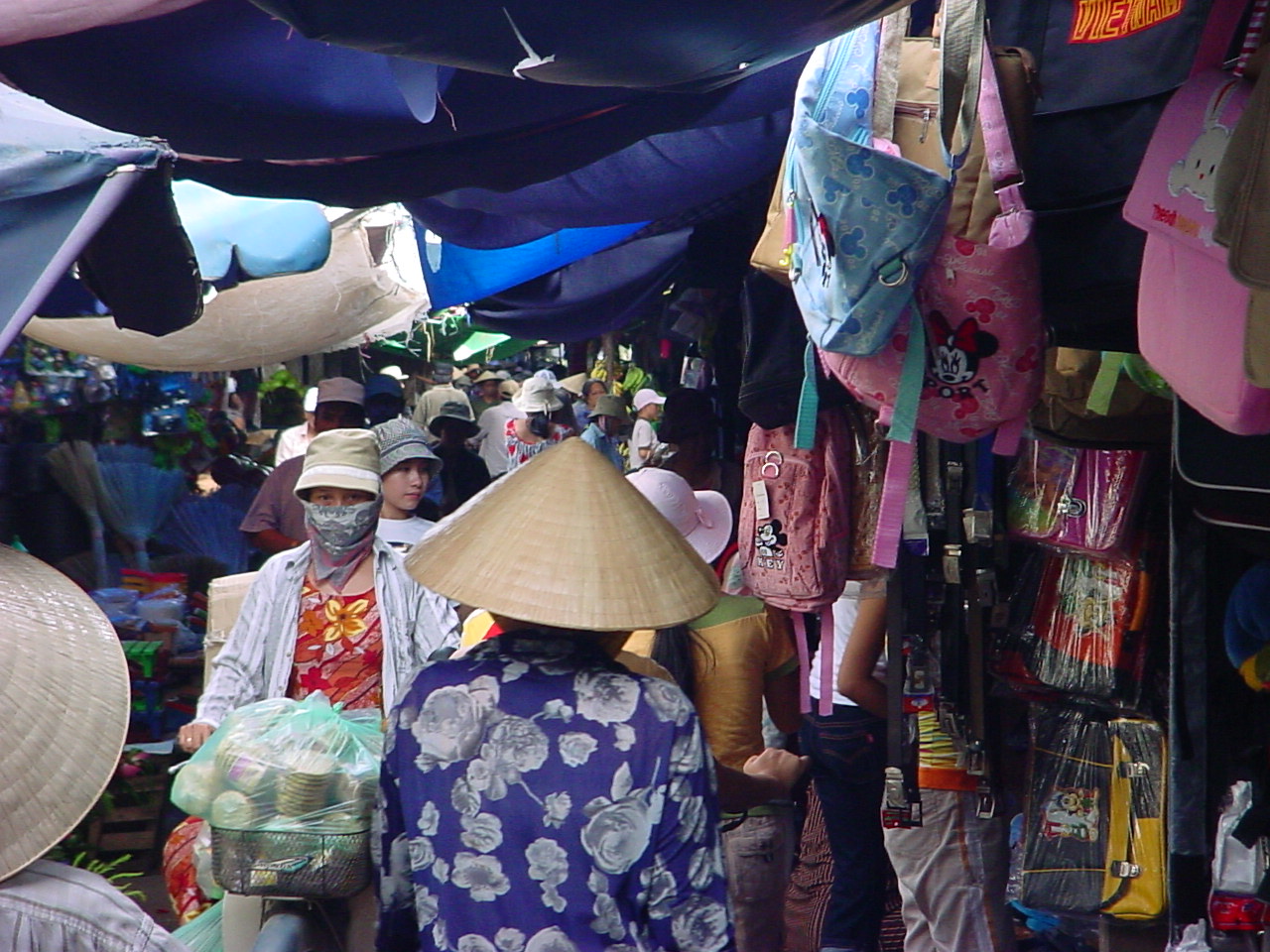
One of several market streets in Hoi An old town, close and packed in the with plenty of people sporting the traditional nón lá hat.
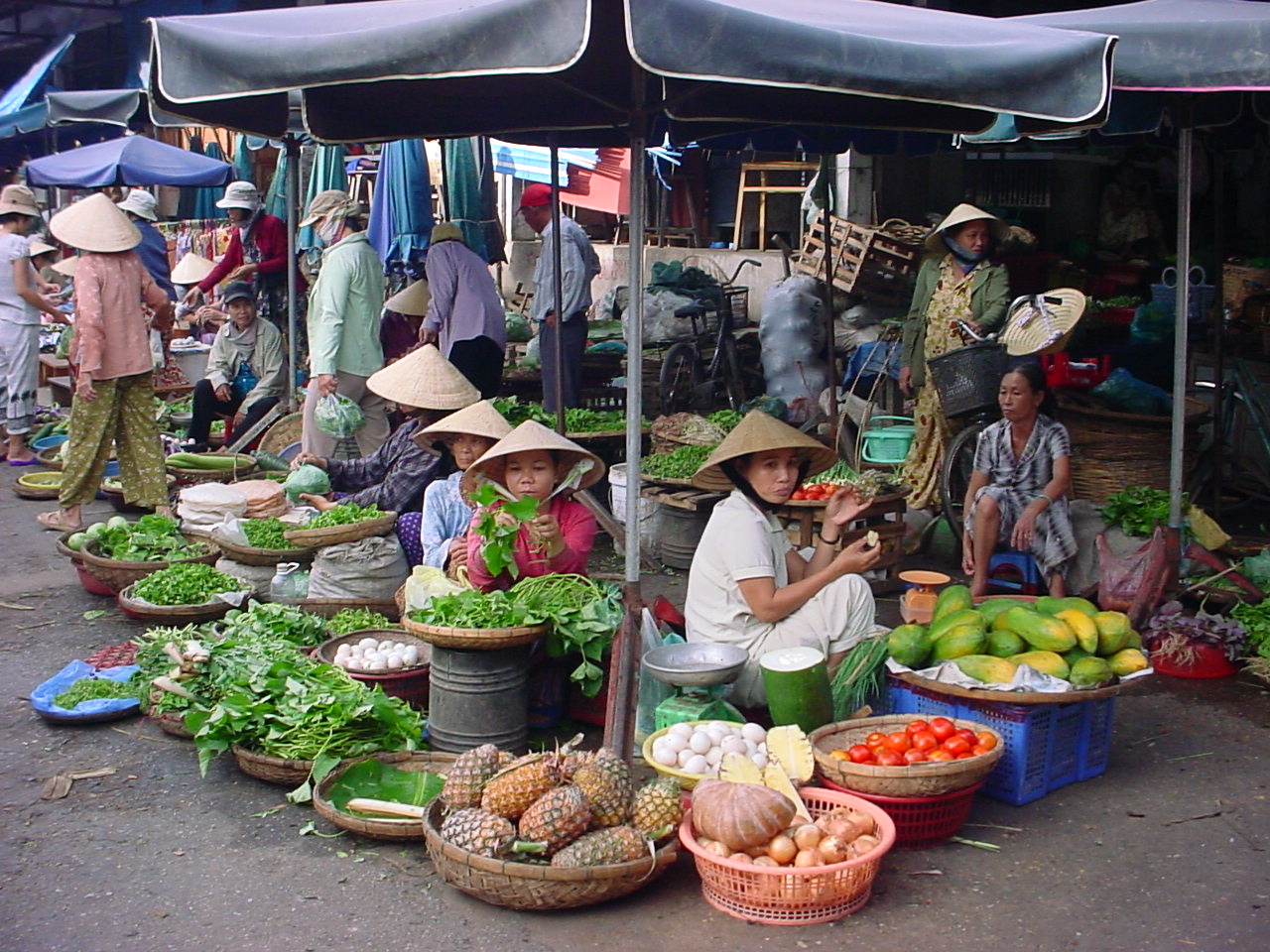
Fresh vegetables for sale. I also spotted a bucket of slithering creatures, which made me quite queasy when I realised they were skinned-alive frogs.
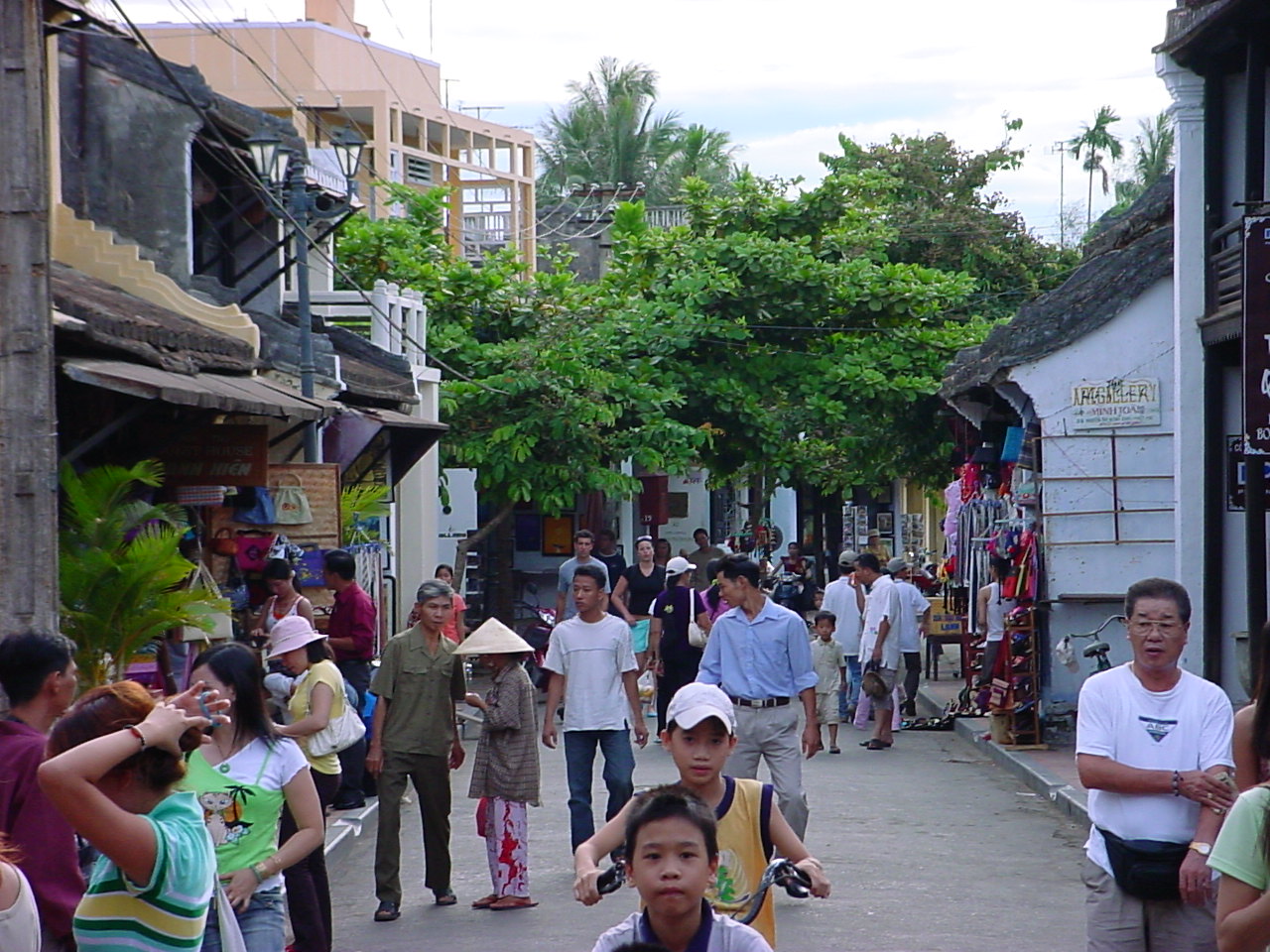
A more relaxed street scene in Hoi An old town, there was very little traffic, which was a breath of fresh air after the frenzied franticness of HCMC.
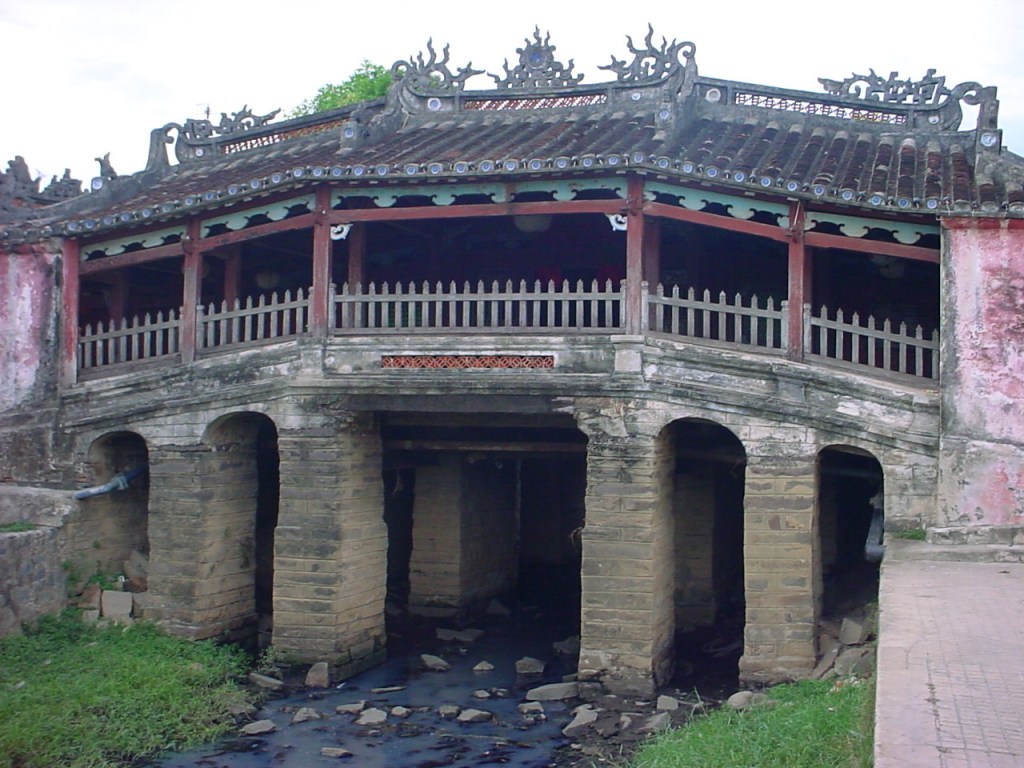
Hoi An’s primary site of historical interest is the Japanese wooden covered bridge, which features a small temple built into its north side. It dates back to 1593 but has been rebuilt and restored multiple times since then.
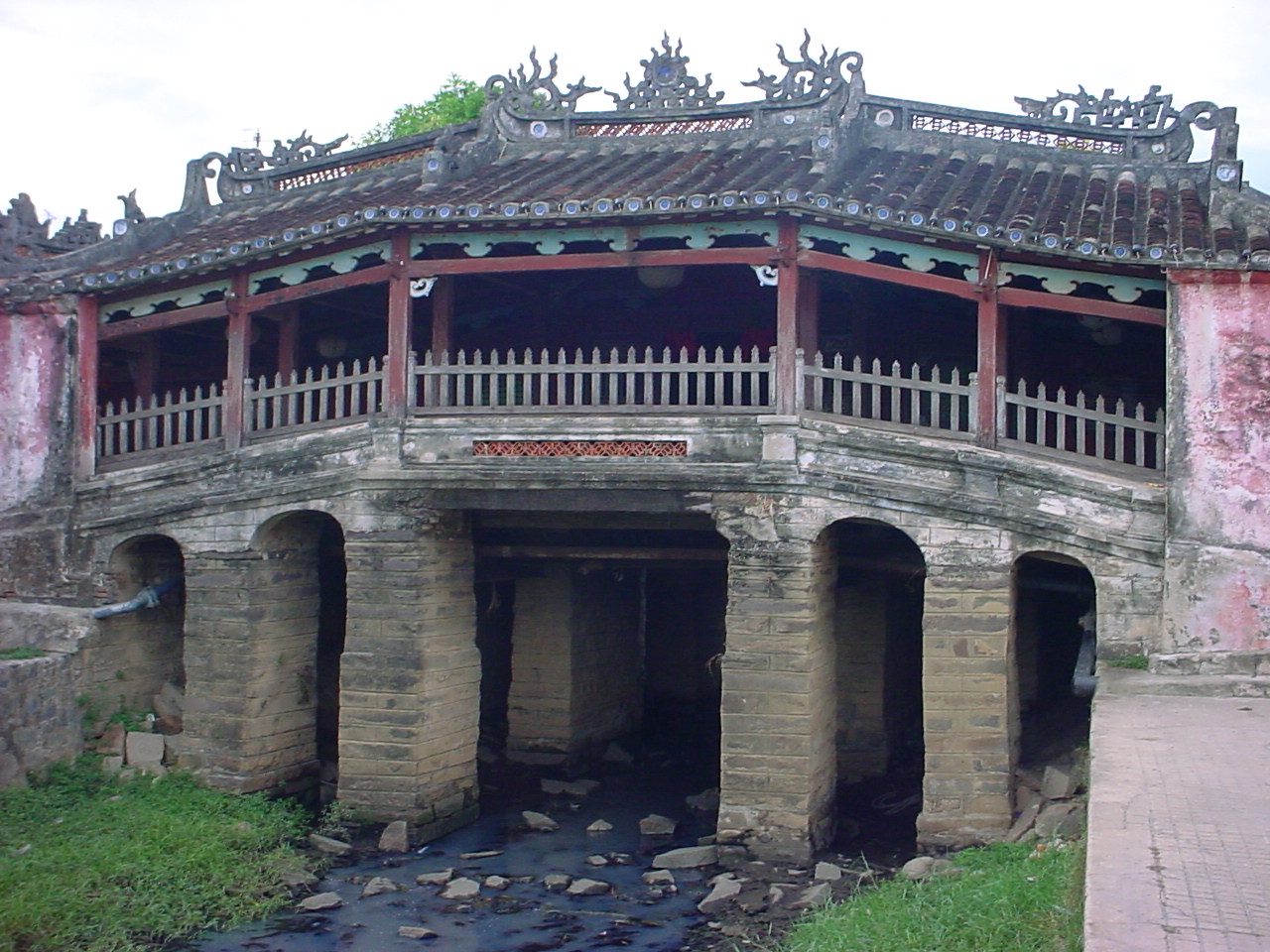
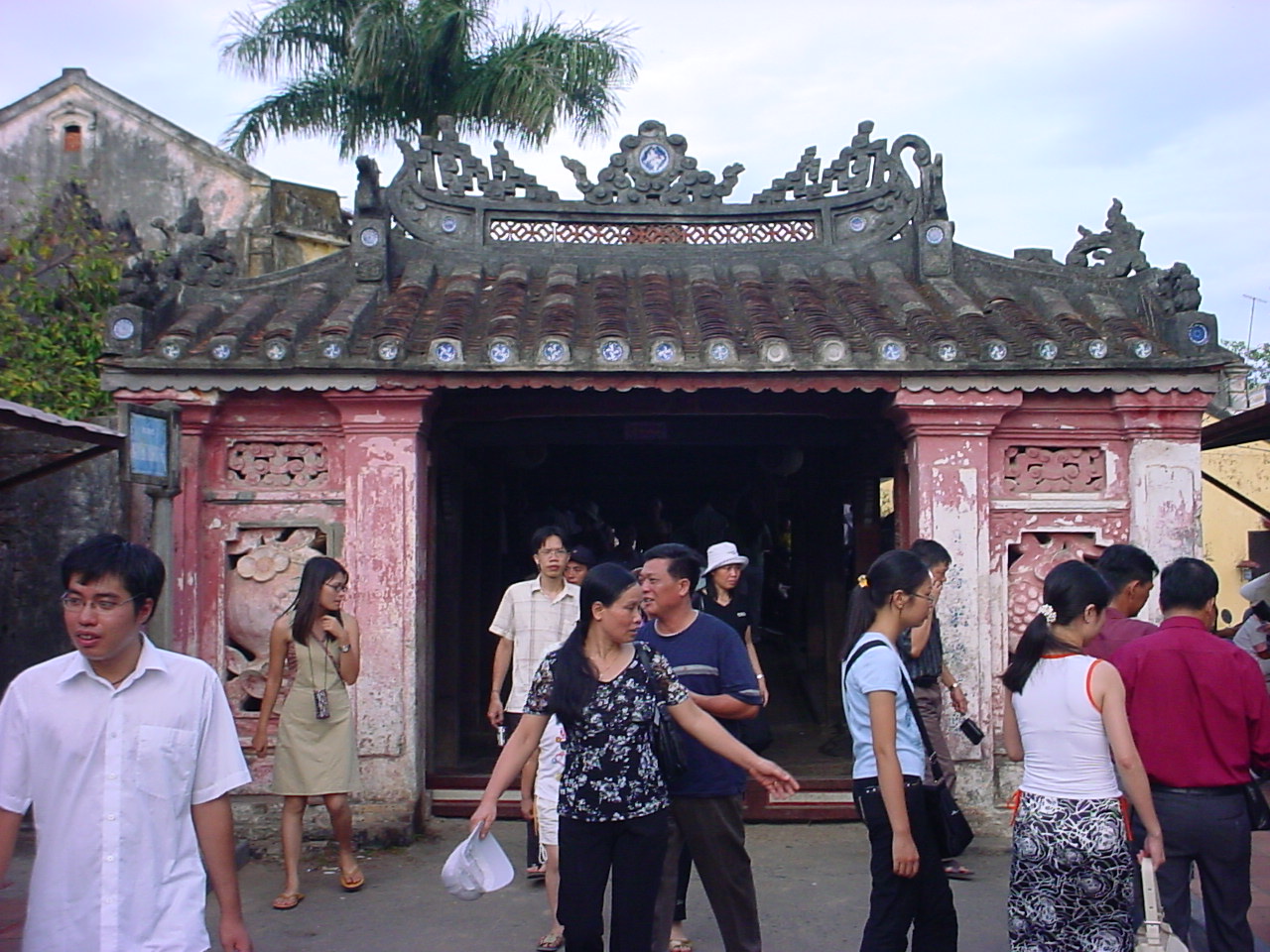
View of the west entrance to the bridge. In 2023, the bridge was significantly dismantled and restored again, and looks much nicer than during my visit 18 years earlier.
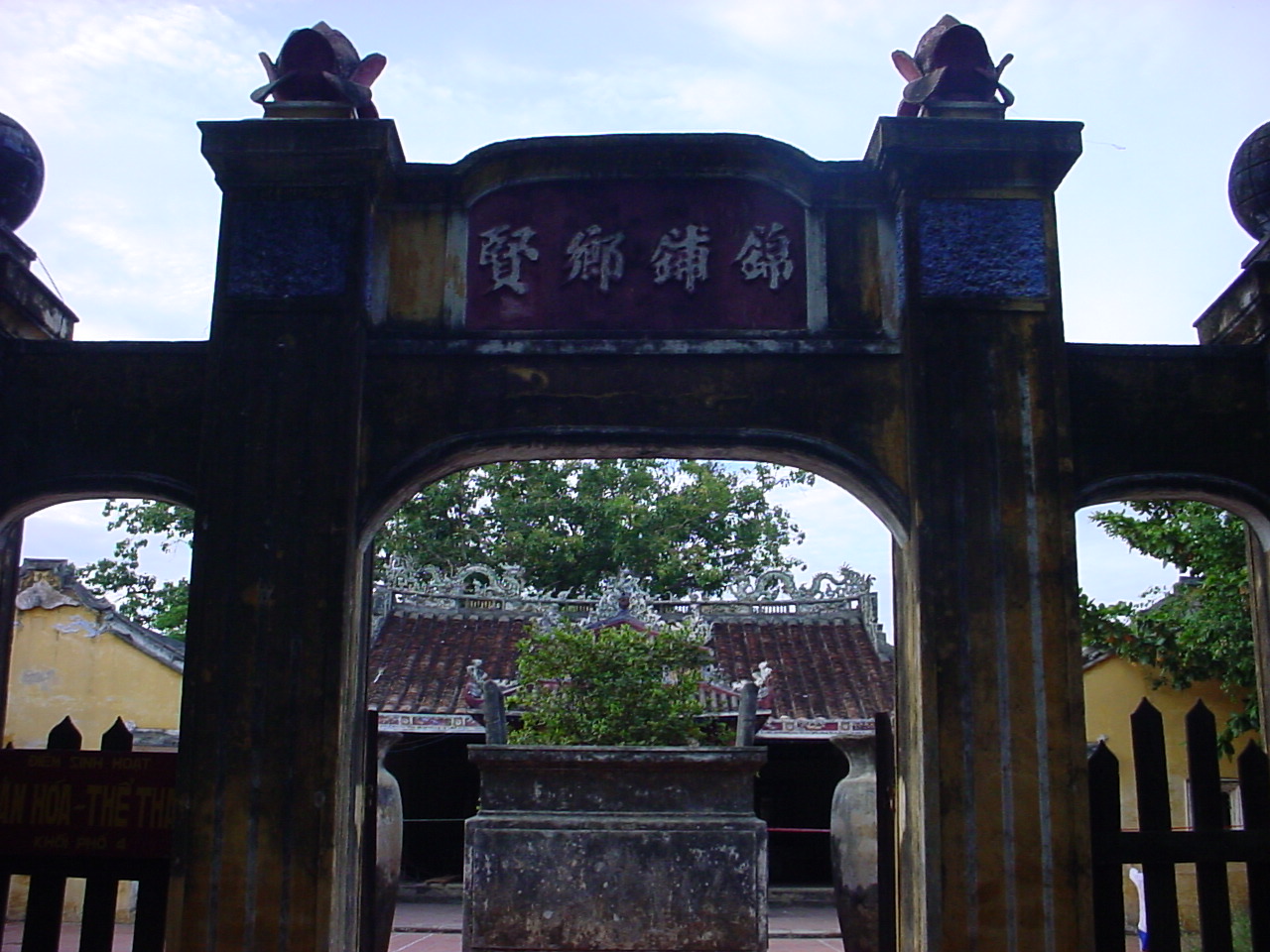
The Cantonese Assembly Hall is one of many pieces of evidence of the town’s historical connections with China, and is just east of the Japanese Bridge.
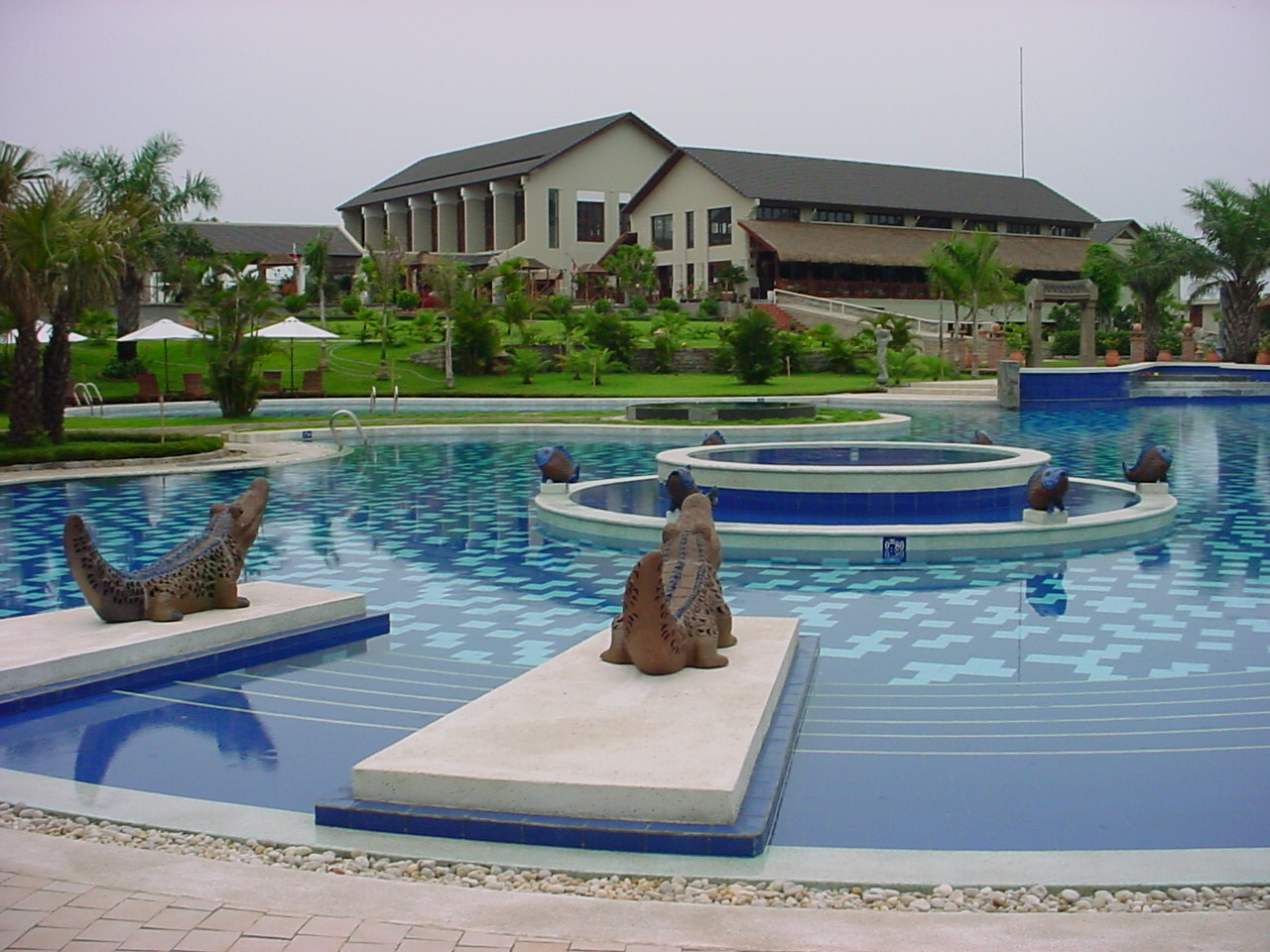
Our lodgings at the Palm Garden Resort featured a lovely lagoon pool, and had opened earlier the same year. Unfortunately I was bitten by some sort of vicious aquatic insect larvae, which could swim tremendously fast for its size, and chased me around the pool.
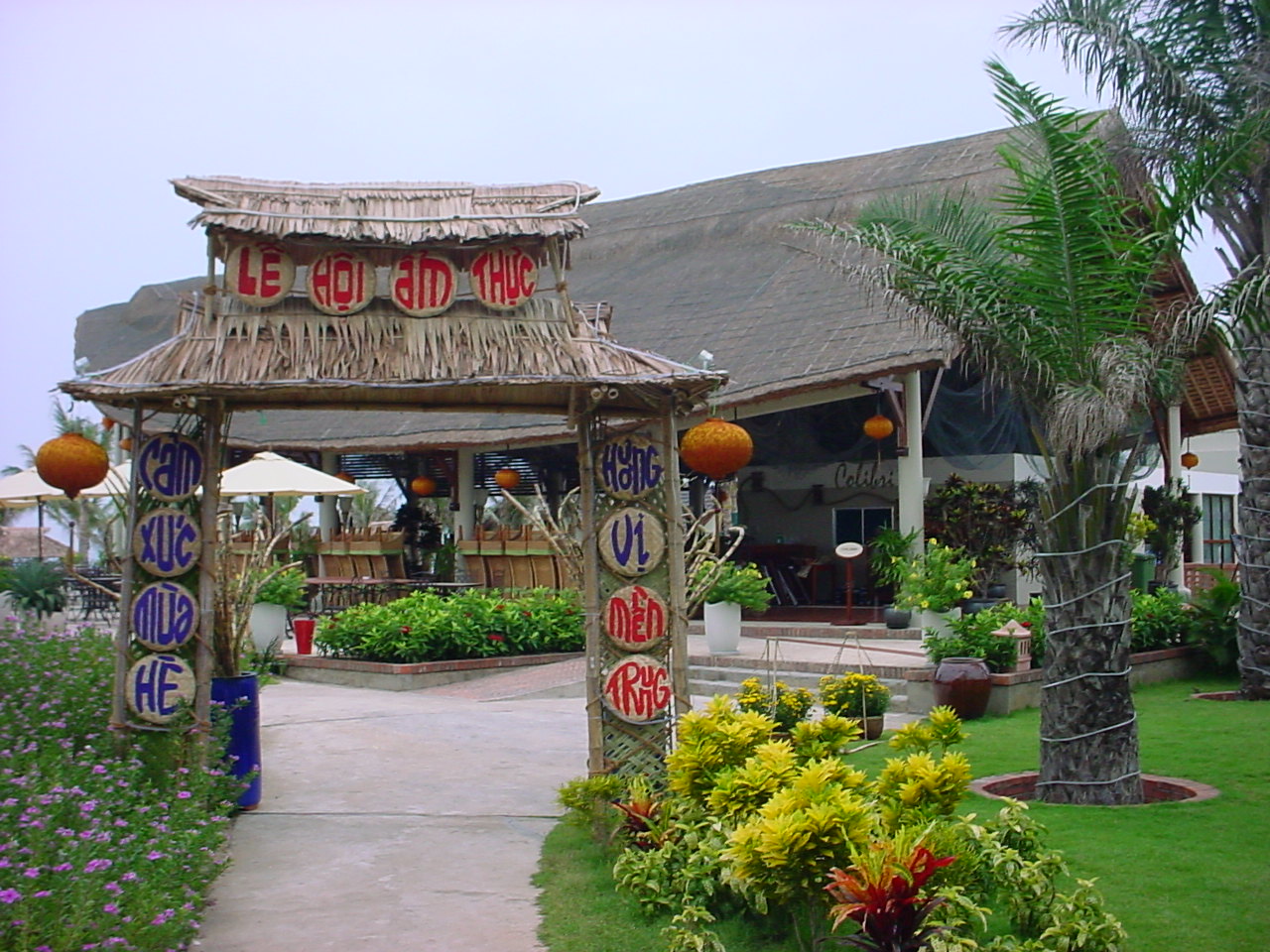
Entrance to the hotel restaurant and bar, ‘Colibri’.
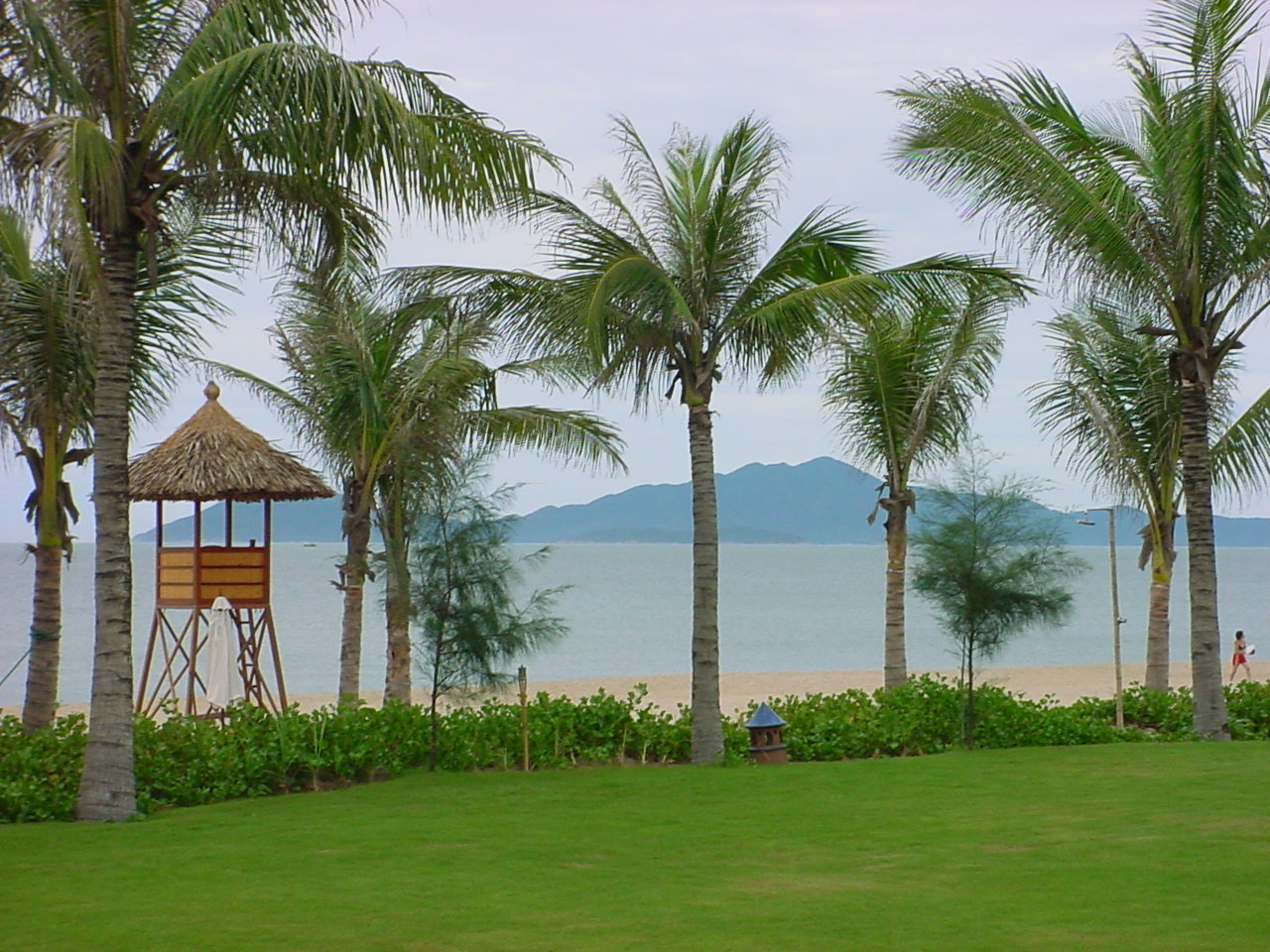
Finally, the view from the front of our hotel chalet onto the South China Sea. If only it had been sunny! At night we could see fishermen going about in their boats with bright fluorescent lights to attract their catch.
Created 2006 | Updated 2026


Leave a comment