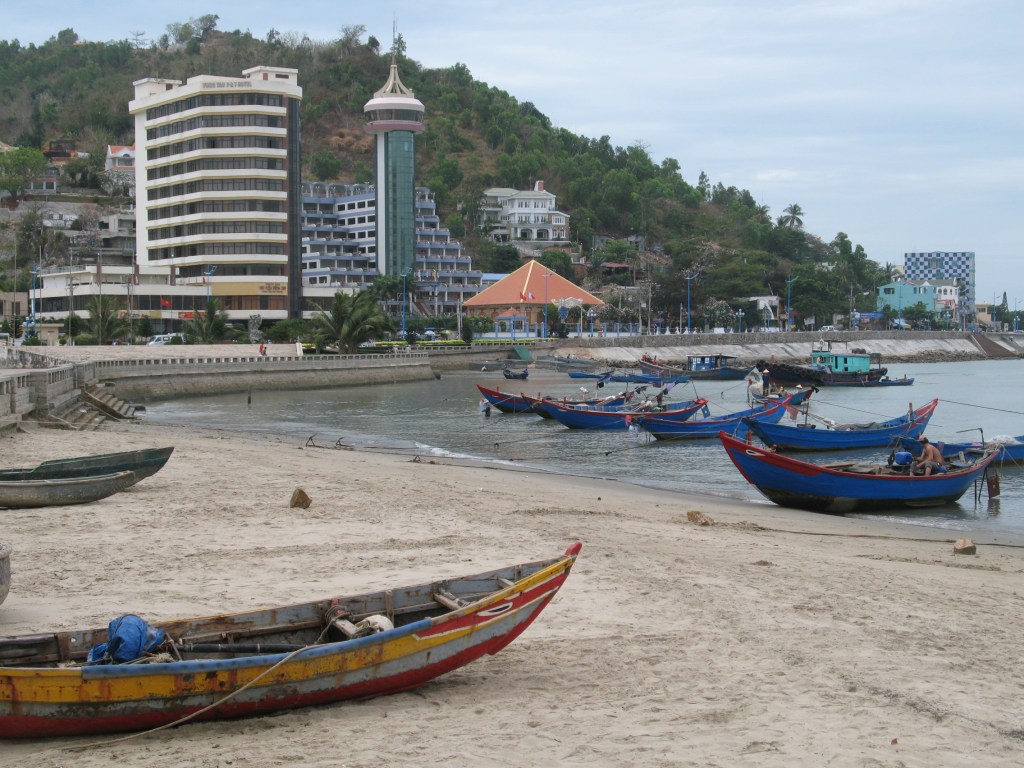
Vũng Tàu
Major port city and oil industry jumping-off point for southern Vietnam
The centre of Vietnam‘s petroleum industry, Vung Tau translates as ‘anchorage‘, being a natural harbour with the city built on a peninsula protruding into the South China Sea. It has been inhabited for several thousand years, and rose to prominence as a shipping port during the French occupation. Today it is primarily focused on supporting oil industry activities. In 2025, Vung Tau technically ceased to exist as a city, having been absorbed administratively into Ho Chi Minh City itself. Not that it makes any difference to how the area is referred to – the locals still call it Vung Tau.
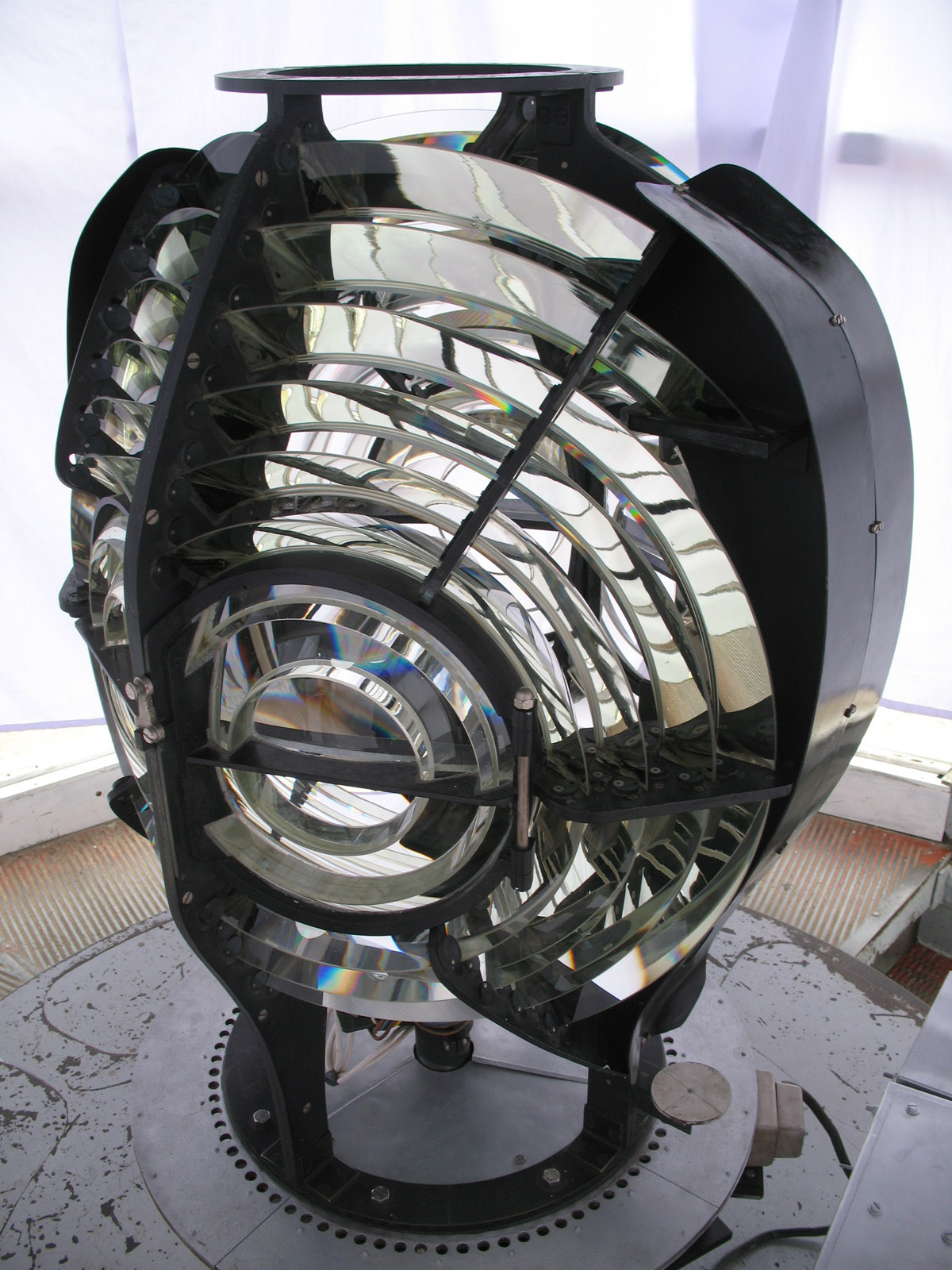
I visited Vung Tau on just one occasion in 2008, despite it being relatively close to HCMC which I visited many times. We travelled both ways on the hydrofoil along the Saigon River and its delta maze, which was a safer (and faster) alternative to going by road in the mid-2000s. I spent some time sitting by the Rex Hotel pool, exploring the waterfront, having lunch and visiting the lighthouse.
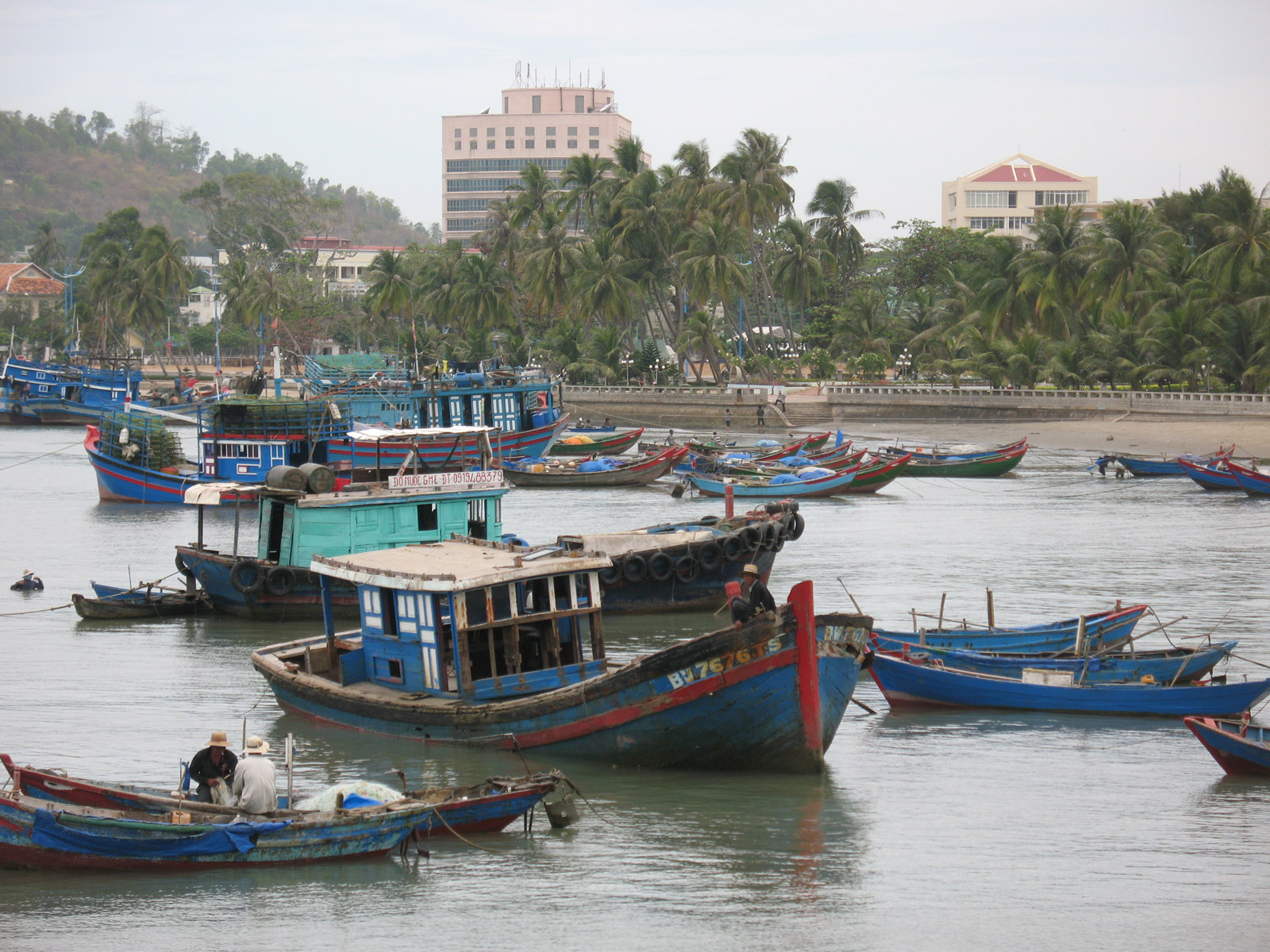
The view across the bay towards Front Beach from Hoa Tieu hotel, the waters replete with fishing boats. The prominent building in the middle is the Petro Tower.
Looking further across the bay, the building on the right is the White Palace History Museum. Centre left at the waterfront is the Ho May Park cable car terminus under construction.
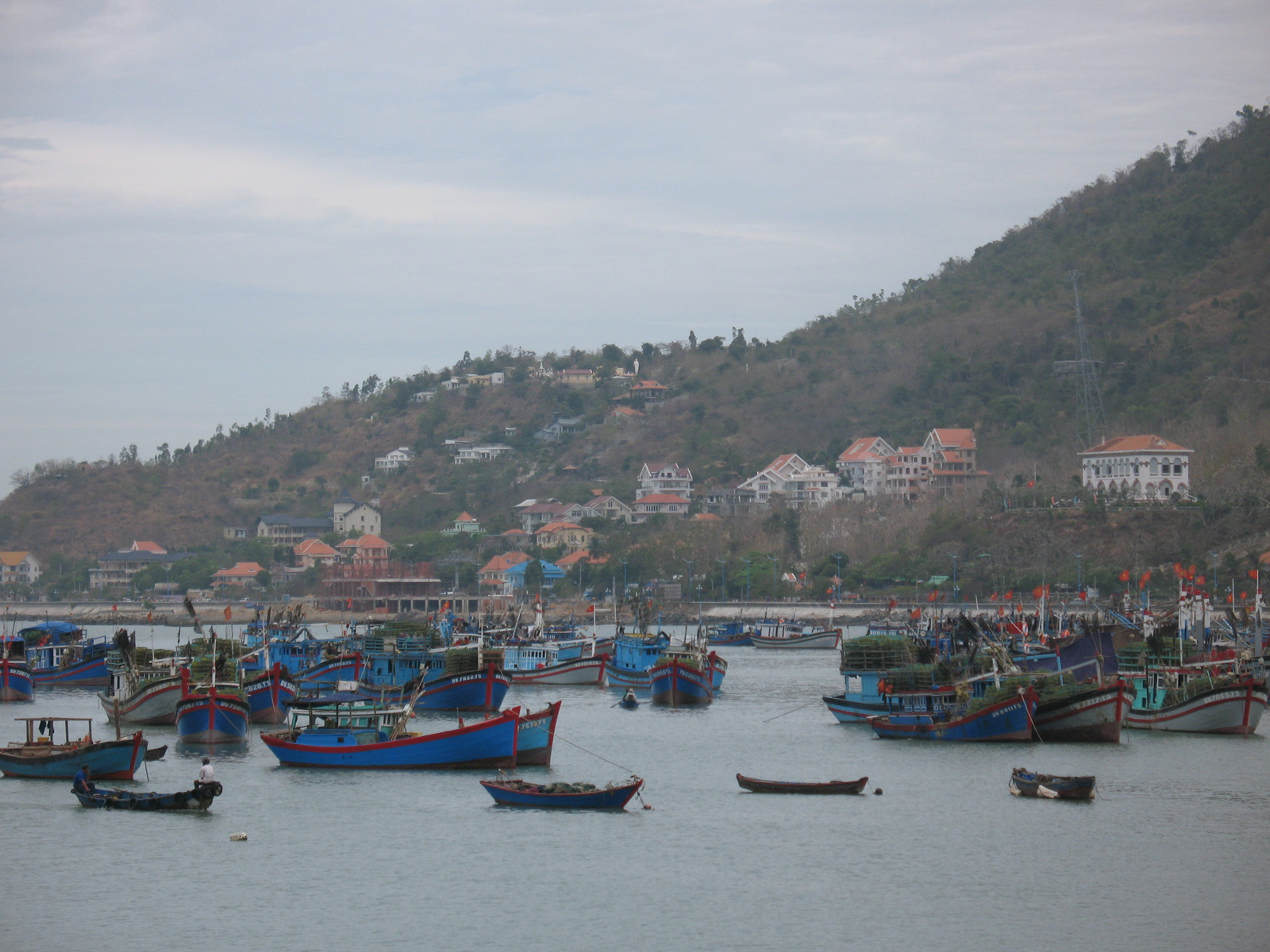
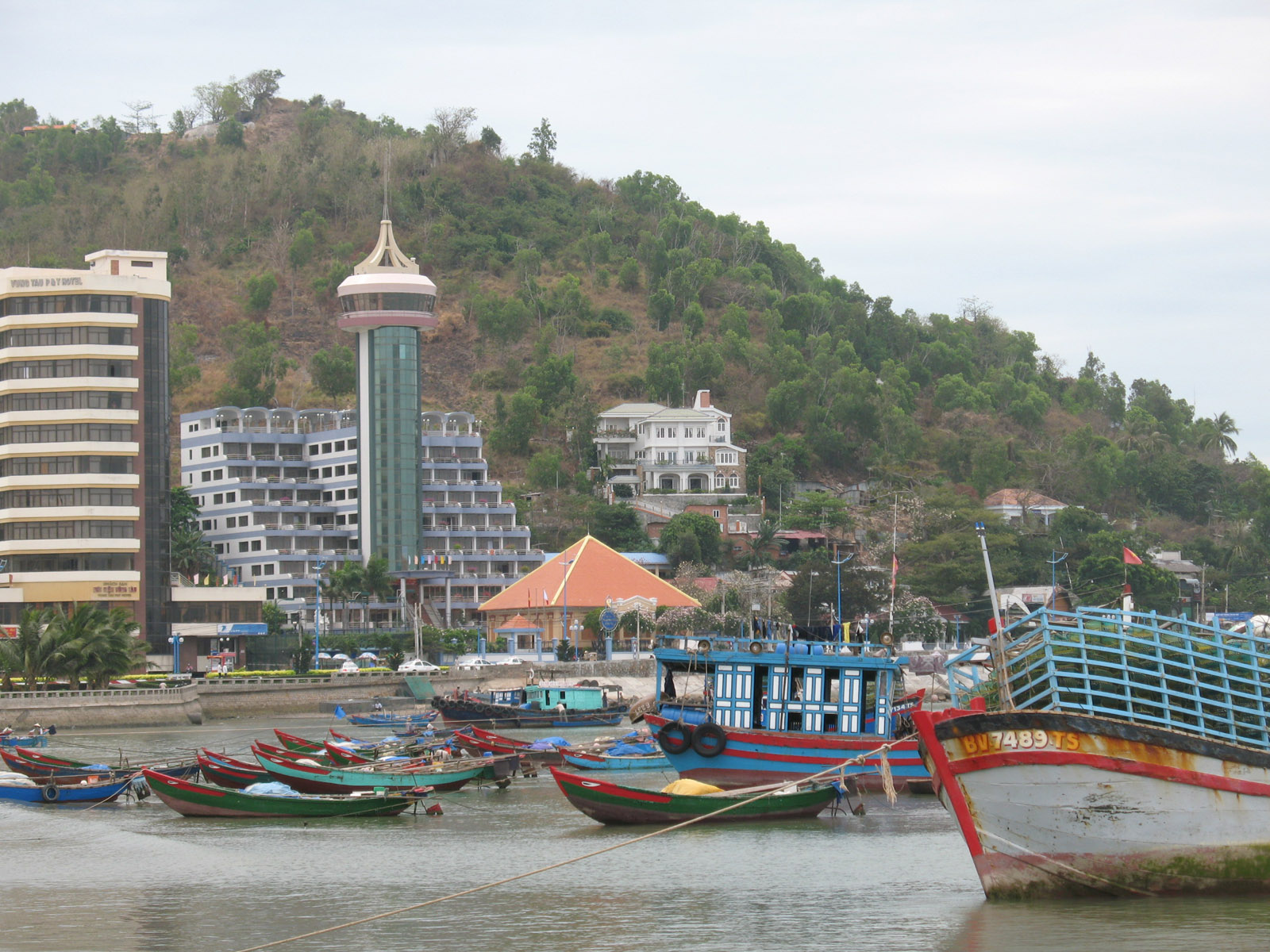
Looking back across the water to Hoa Tieu Hotel, with its distinctive observation tower and the lighthouse hill behind.
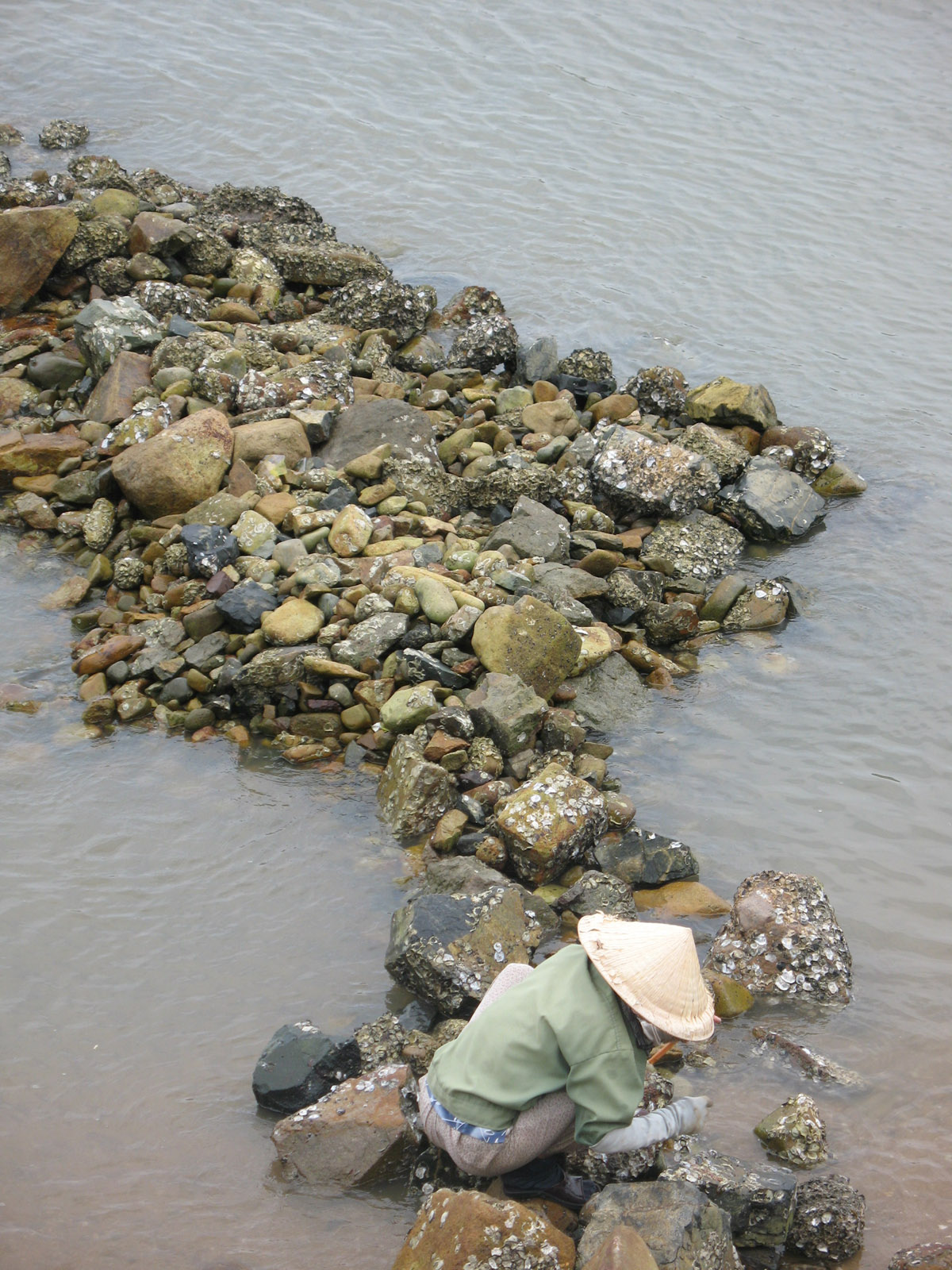
A local cockle-hunter gather shellfish at the shore.
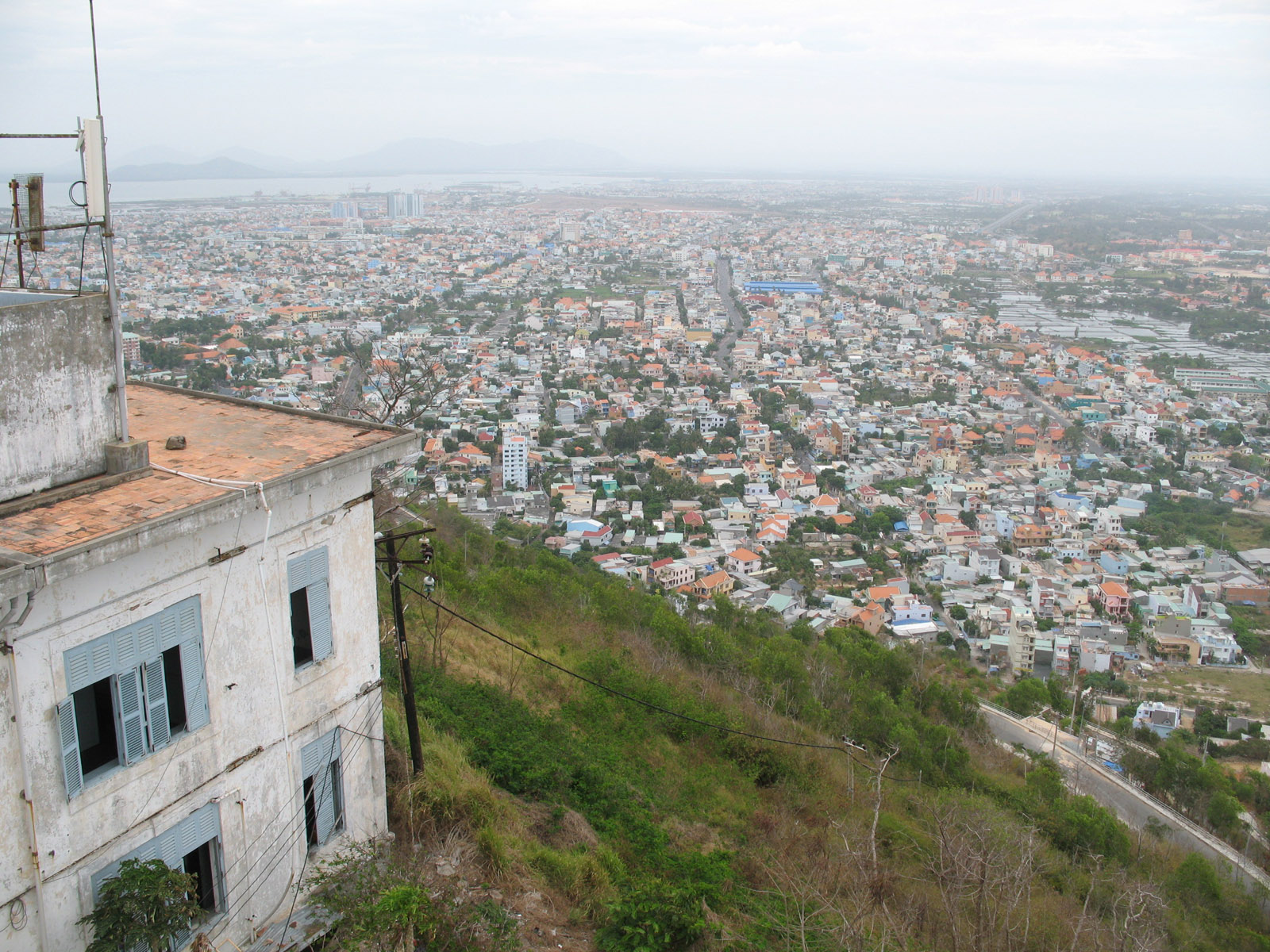
Up at the lighthouse, there are sweeping views of the city. This is looking back towards the mainland across the peninsula.
Back Beach is the much larger cousin to Front Beach, and stretches several kilometres along the southern coast.
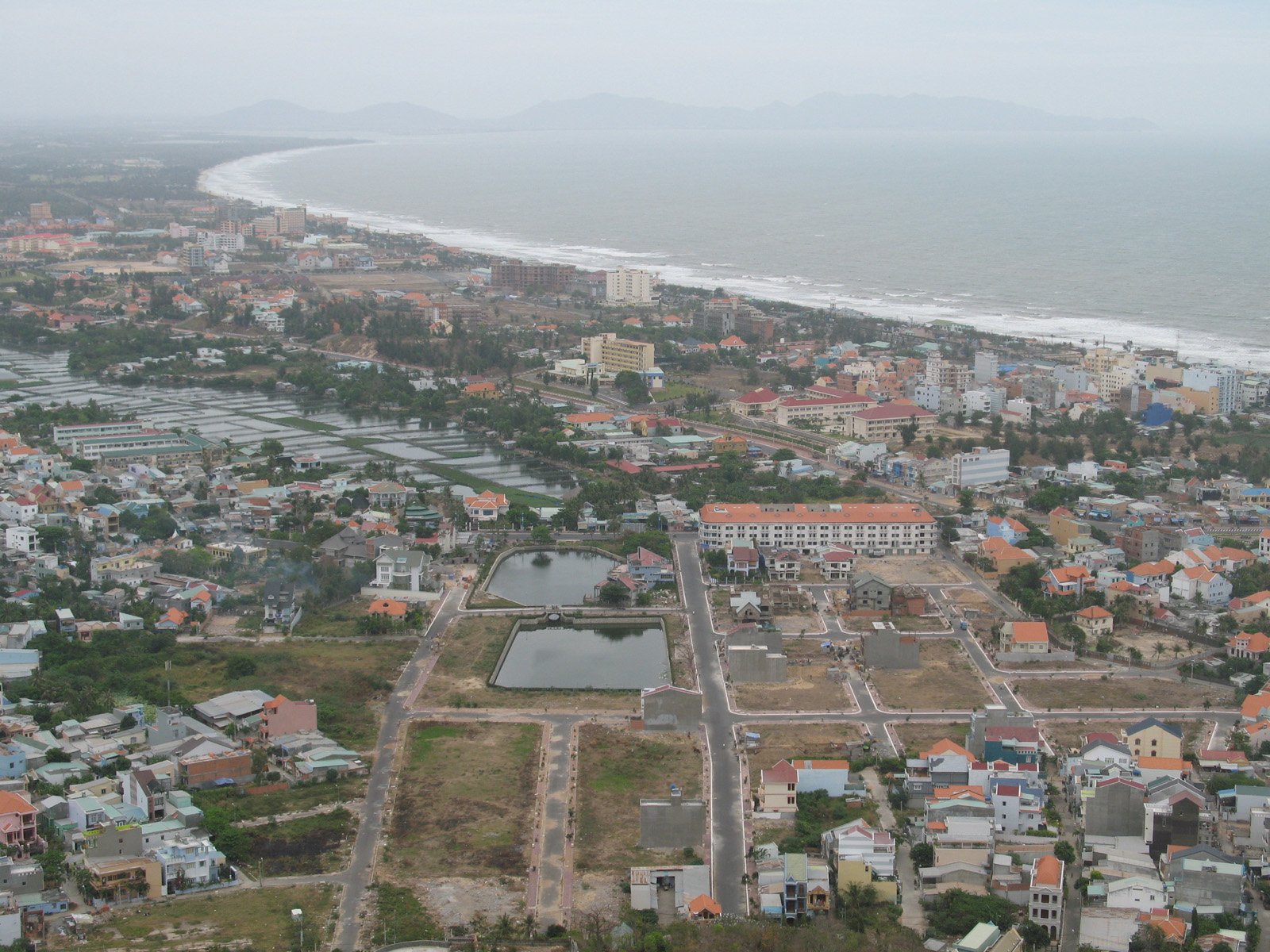
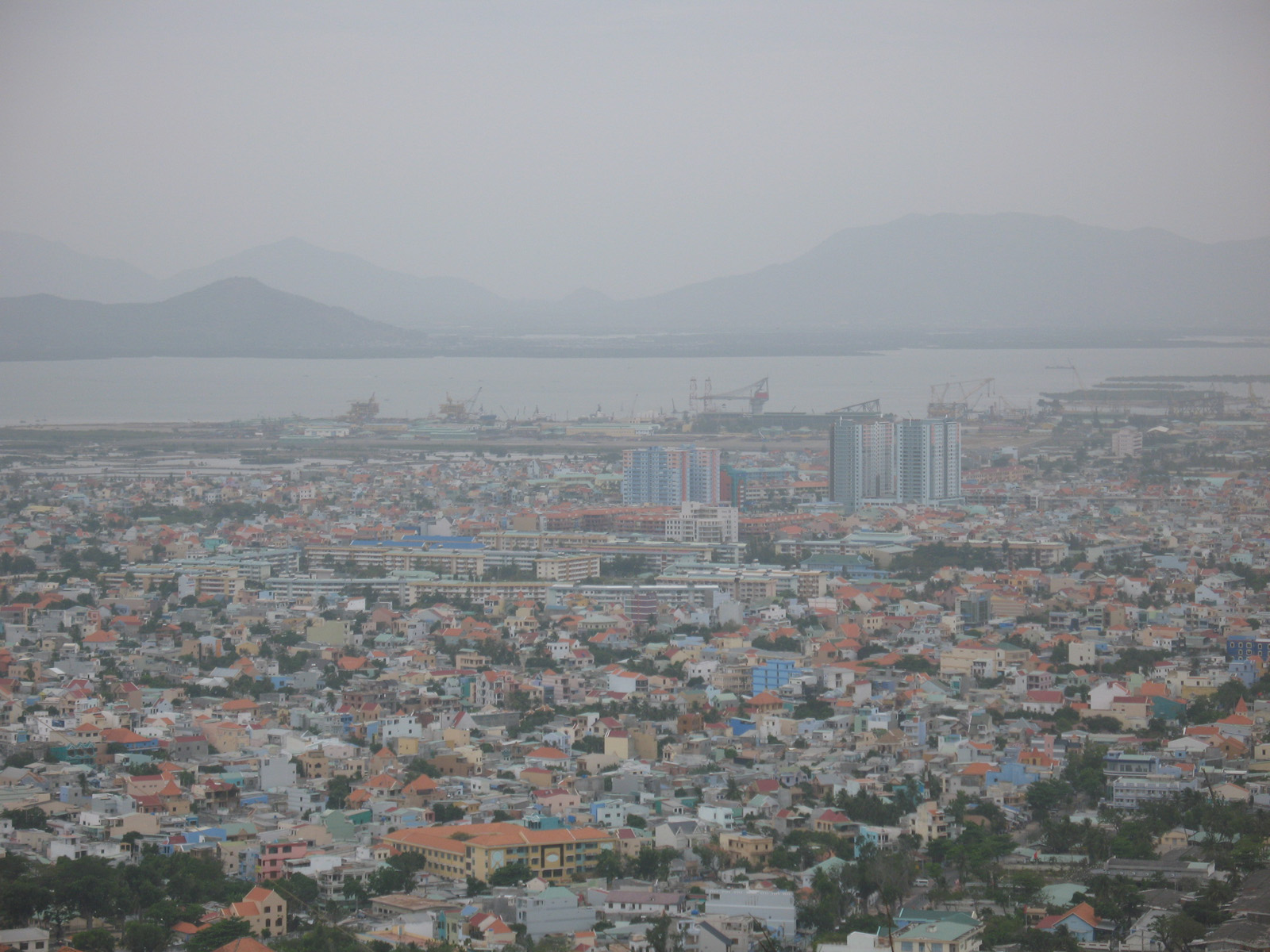
Looking towards the industrial port area with some colourful high-rises starting to appear.
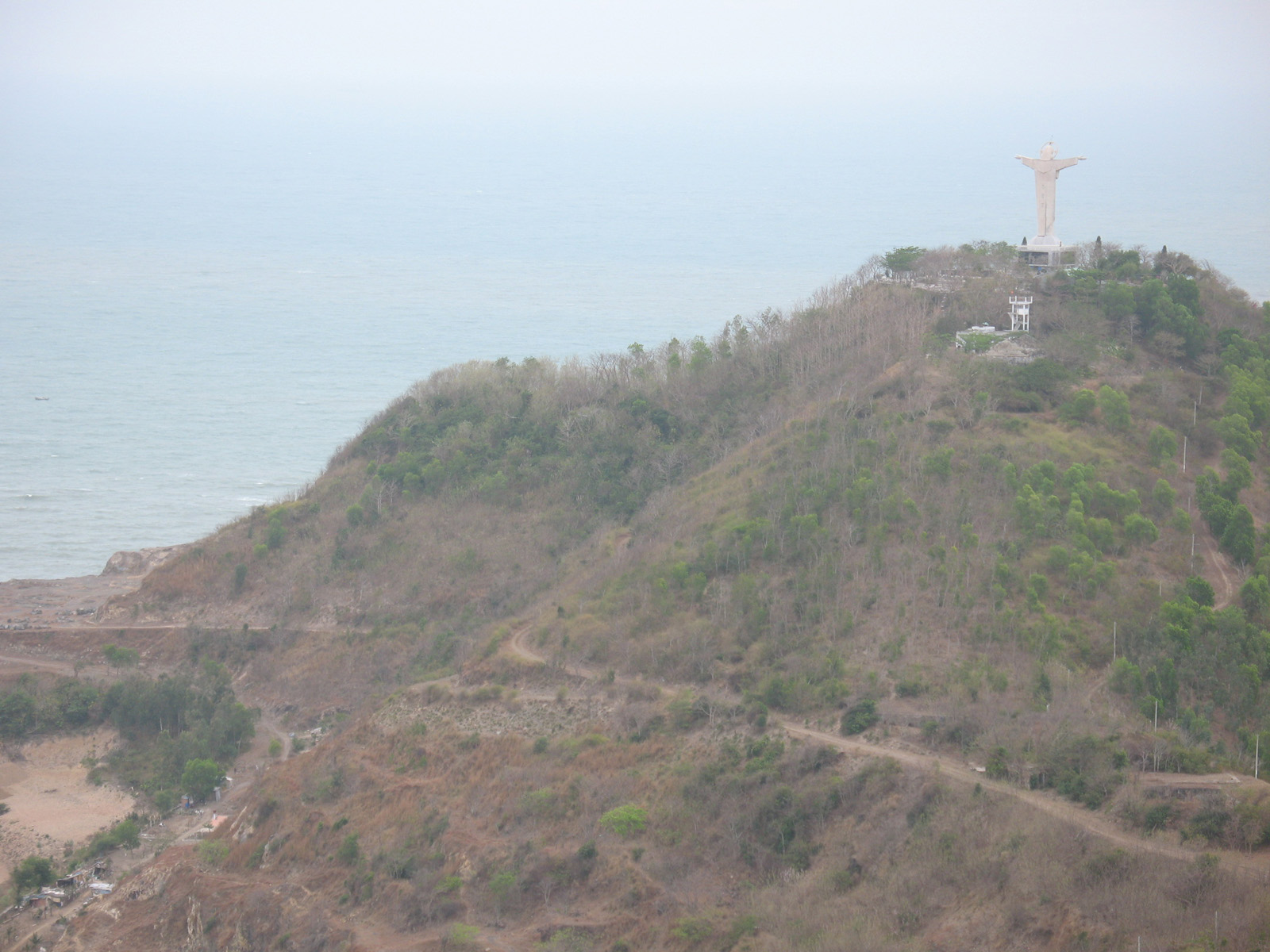
Vung Tau boasts a rival to Rio de Janeiro‘s famous statue of Christ, in the form of Christ of Vung Tau, with arms outstretched and gazing at the city. It is a similar size to its Brazilian counterpart at 32 metres tall, and was completed in 1974.
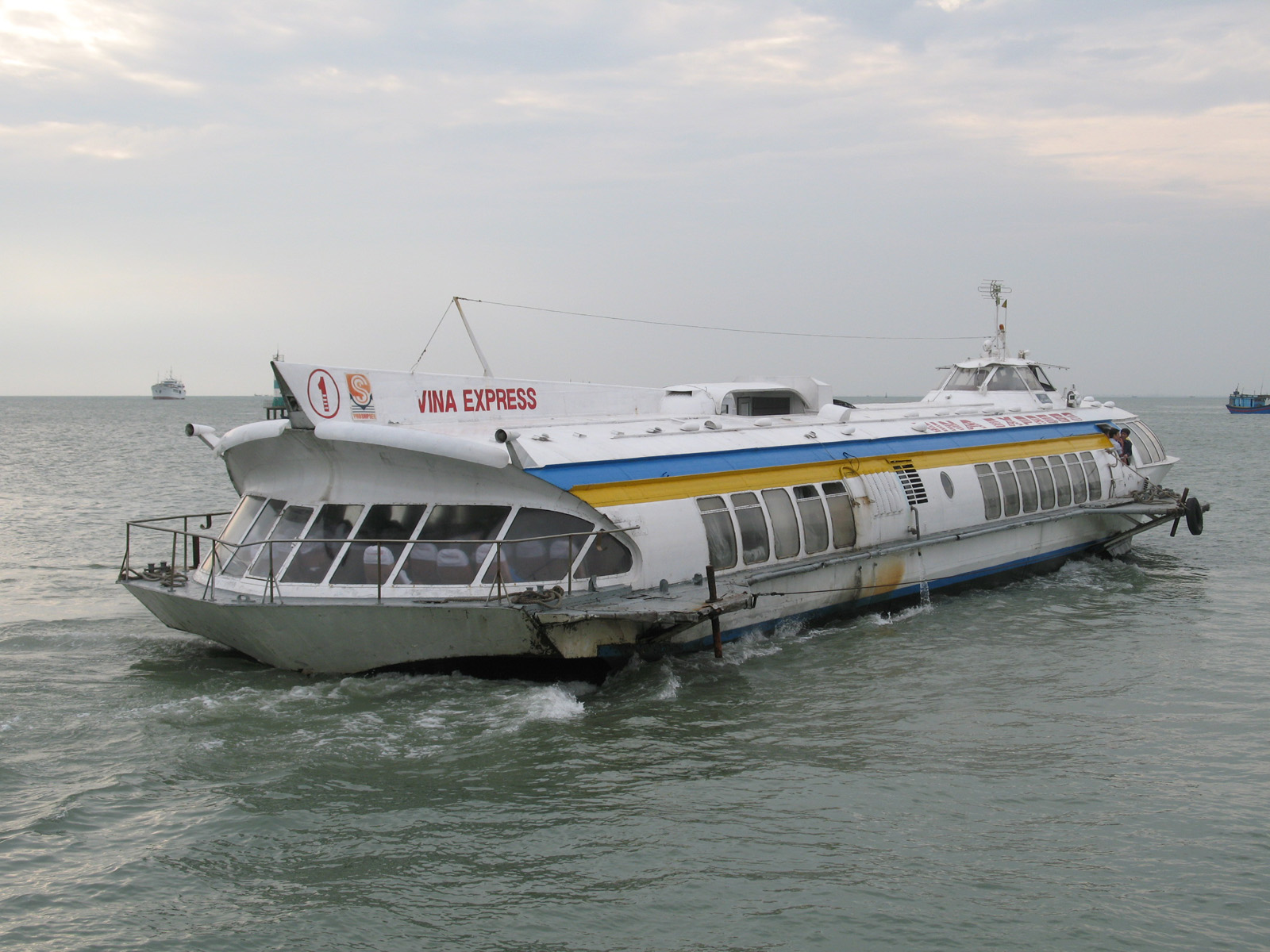
The hydrofoil service back to Ho Chi Minh City, aboard the ‘Vina Express 1’, a Russian-built Meteor type of hydrofoil dating back to 1959. This specific vessel caught fire and sank in 2014, fortunately without any casualties. My next opportunity to travel by hydrofoil wasn’t until 2016 in Greece, on a somewhat more modern craft.
Created 2026


Leave a comment